

The Quiet Work of Changing a Culture of Violence

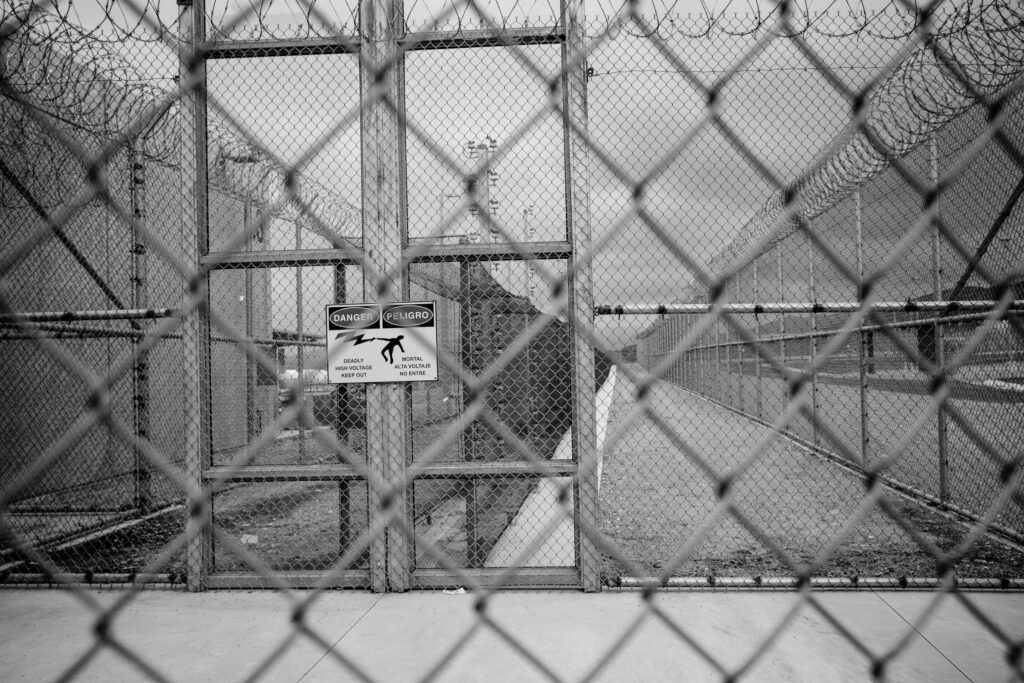
Earlier this month, The New Yorker published a powerful and painful article titled “A Year of Convulsions in New York’s Prisons”. It recounts the killing of Robert Brooks, a man who was beaten to death by correctional officers while incarcerated at Marcy Correctional Facility, and the months of upheaval that followed across New York’s prison system.
(Please note: the article contains disturbing descriptions of violence.)
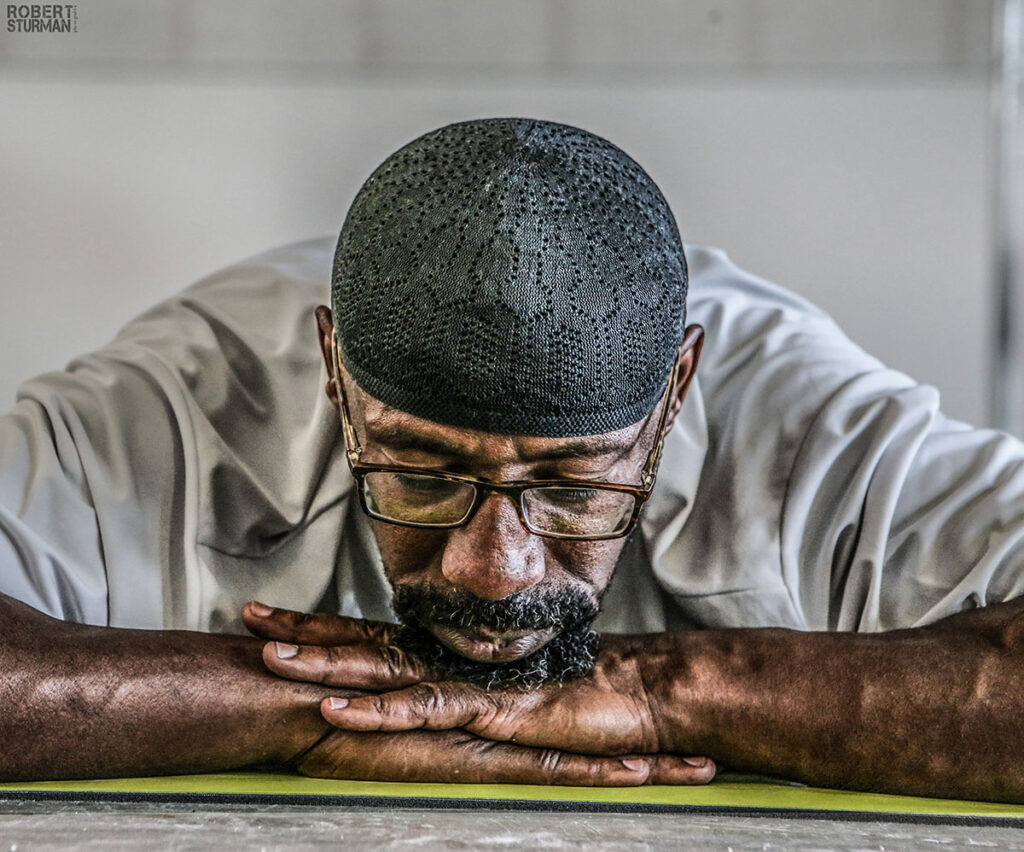
Robert Brooks was a son, a friend, a human being whose life mattered. His death is a profound loss to his loved ones, to his community, and to all of us who believe in the inherent dignity of every person.
The story exposes a devastating truth: for too many people behind bars, violence is not only a memory but a daily reality. It also reveals the immense stress and trauma experienced by staff working in a system built on control and punishment. This cycle of harm affects everyone it touches.
At Prison Yoga Project, our work begins right there, in the midst of this harm. We don’t turn away from it. We meet it with tools for healing. Our trauma-informed yoga and mindfulness programs help people pause, breathe, and reconnect with their humanity. These practices don’t fix the system overnight, but they begin to shift the culture from one of punishment to one of presence.
As one participant at the New Hampshire State Prison for Men shared:
“When I feel triggered or discouraged, yoga helps me refocus my breath and mind. I’ve learned to stretch to protect my body and my peace.”
Another wrote:
“This experience has been amazing. I feel more calm, focused, and centered in all areas of my life.”
And another:
“I’m incredibly thankful for the instructors and the time they take to make the world a better place with people and organizations like you.”
These words remind us that healing is happening, even in the hardest places. They are proof that something different is possible.
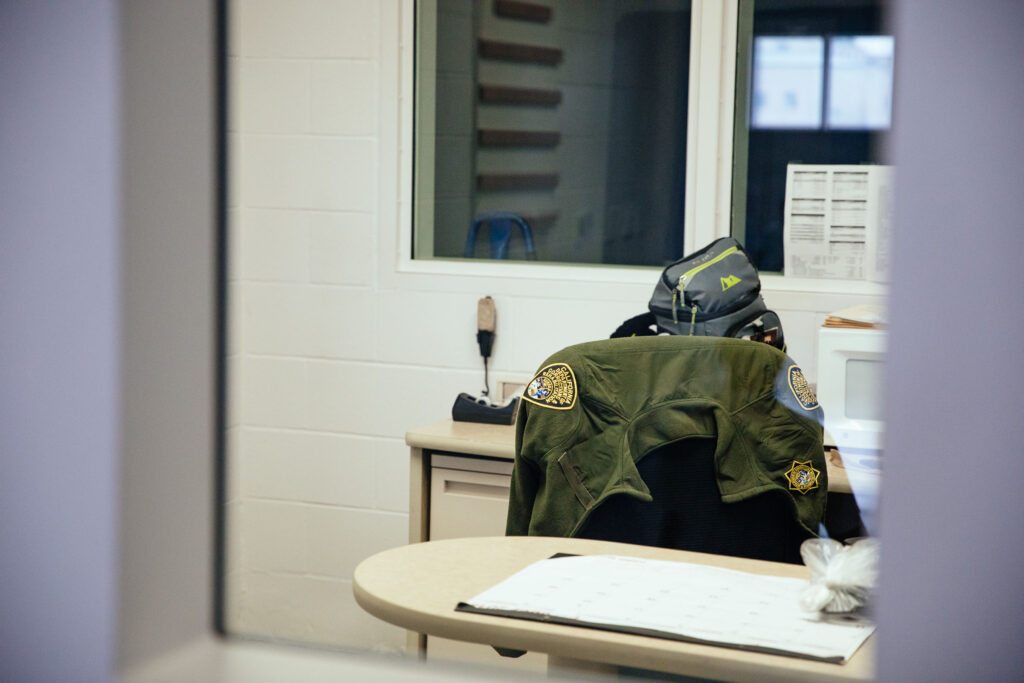
I’ve seen this transformation not only among participants, but among staff.
There’s a deputy at the jail where I teach who fills me with hope every time we interact. When he first learned he’d been assigned to the CSI Academy, a specialized unit where yoga is one of many classes offered weekly, he wasn’t thrilled. Over time, though, witnessing the transformation of the people in the program changed him. He began to take pride in being part of it. Even during head counts, he quietly walks the room so as not to disturb our class.
Recently, the units were moved to a different part of the jail, which requires climbing multiple flights of stairs. The deputy has an injury, and I asked if he was okay. He smiled and said, “It’s worth it to stay with this program.”
That moment reminded me that this work is changing culture, not just for those incarcerated, but for those who work inside too.
We don’t call out every act of violence in our prisons, because sadly, they are too frequent. Instead, we respond to each one through our presence, our programs, and our partnerships. We teach nervous system regulation. We model de-escalation that doesn’t rely on force. We hold space for anger and grief, and then we invite something different to emerge: compassion, accountability, and healing.
Stories like Robert Brooks’ remind me why this work is urgent. And stories like the ones from New Hampshire, and from that deputy, remind me that another way is possible.
Even in the hardest places, healing is possible.
Wow. Beautifully put, Nicole. Thank you-